The Top 10 Biggest Airports in Africa (2026 Traveler’s Guide)
Africa is a continent on the move. If you are flying into Lagos, transiting through Addis Ababa, or touching down for a safari in Nairobi, the airport is your first handshake with the region.
Gone are the days when African airports were just sweltering transit sheds. Today, major hubs like Cairo and Johannesburg are massive cities unto themselves, processing millions of passengers with duty-free luxury, sleep pods, and high-speed rail links.
Based on the most recent passenger traffic data and infrastructure scale, here are the Top 10 Biggest Airports in Africa. We’ve stripped away the corporate jargon to give you the real feel of what it’s like to land here—and how to survive the layover.
1. Cairo International Airport (CAI) – Egypt
The Undisputed Heavyweight
-
Annual Traffic: Approx. 28+ Million Passengers
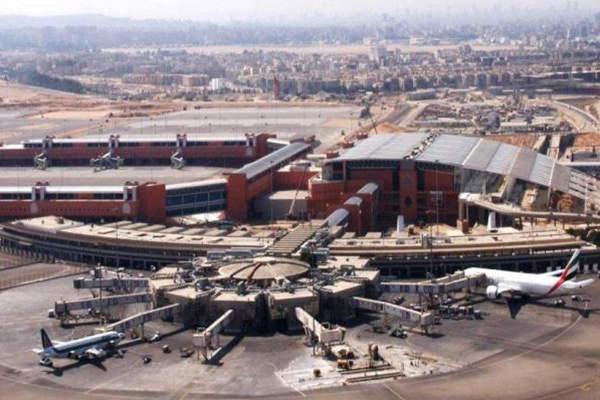
Cairo isn’t just the biggest airport in Africa; it is in a league of its own. Serving as the primary hub for EgyptAir, it connects Africa to the Middle East, Europe, and Asia.[2] With four terminals, it processes more humans than any other facility on the continent.
The Atmosphere:
Frenetic and historic. You will likely land in the modern Terminal 2 or 3, which feels like any major global hub with polished floors and glass walls. However, once you step outside, the humid, dusty energy of Cairo hits you instantly. It is busy, loud, and alive 24/7.
-
Traveler Tip: If you have a long layover, skip the metal benches. Look for the Ahlan VIP Lounges or the sleep pods in Terminal 2. Also, avoid the aggressive taxi touts at arrivals; use Uber (the pickup point is usually in the parking garage) for a hassle-free ride to the pyramids.
2. O.R. Tambo International Airport (JNB) – Johannesburg, South Africa
The Southern Gateway
-
Annual Traffic: Approx. 18-19 Million Passengers
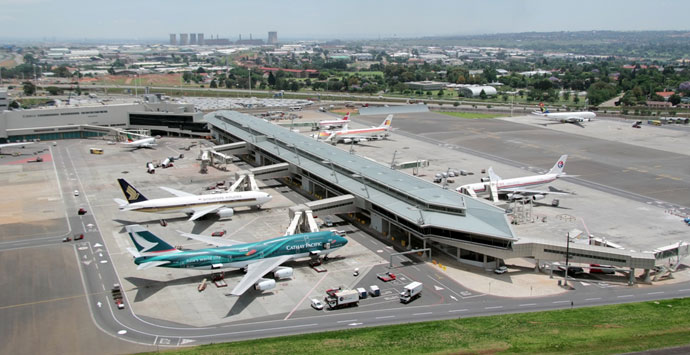
For years, “Joburg” was the top dog, and it remains the most sophisticated aviation hub in Sub-Saharan Africa. It is the engine room of South Africa’s economy and the main base for South African Airways.
The Atmosphere:
Business-brisk. O.R. Tambo feels distinctly “first-world” with its high-end fashion boutiques, fast-food chains like Steers and Wimpy, and efficient layout. It’s designed for speed, though the immigration lines can get long during the morning rush.
-
Traveler Tip: Do not take a random meter taxi. The safest and fastest way to the city is the Gautrain, a high-speed rail link located directly inside the terminal. It takes 15 minutes to reach Sandton and is safer than driving.
3. Addis Ababa Bole International Airport (ADD) – Ethiopia
![A Guide to Addis Ababa Bole International Airport [ADD]](https://alpha-roadshows.com/wp-content/uploads/2025/02/ADDIS-ABABA-BOLE-INTERNATIONAL-AIRPORT.jpg)
The Transit King
-
Annual Traffic: Approx. 12-13 Million Passengers
If you are flying across Africa, all roads lead to Addis. Thanks to the massive success of Ethiopian Airlines, Bole International has become the continent’s primary transit point. It is currently undergoing massive expansions to rival Dubai.
The Atmosphere:
A melting pot. The departure terminals are a sea of travelers from every corner of the globe. It is crowded, humming with activity, and smells faintly of roasting coffee.
-
Traveler Tip: If you are flying Business Class, the Cloud Nine Lounge is legendary for its traditional coffee ceremonies. Economy travelers, head to the new wing of Terminal 2; the recliners there are much better for napping than the older sections.
4. Mohammed V International Airport (CMN) – Casablanca, Morocco
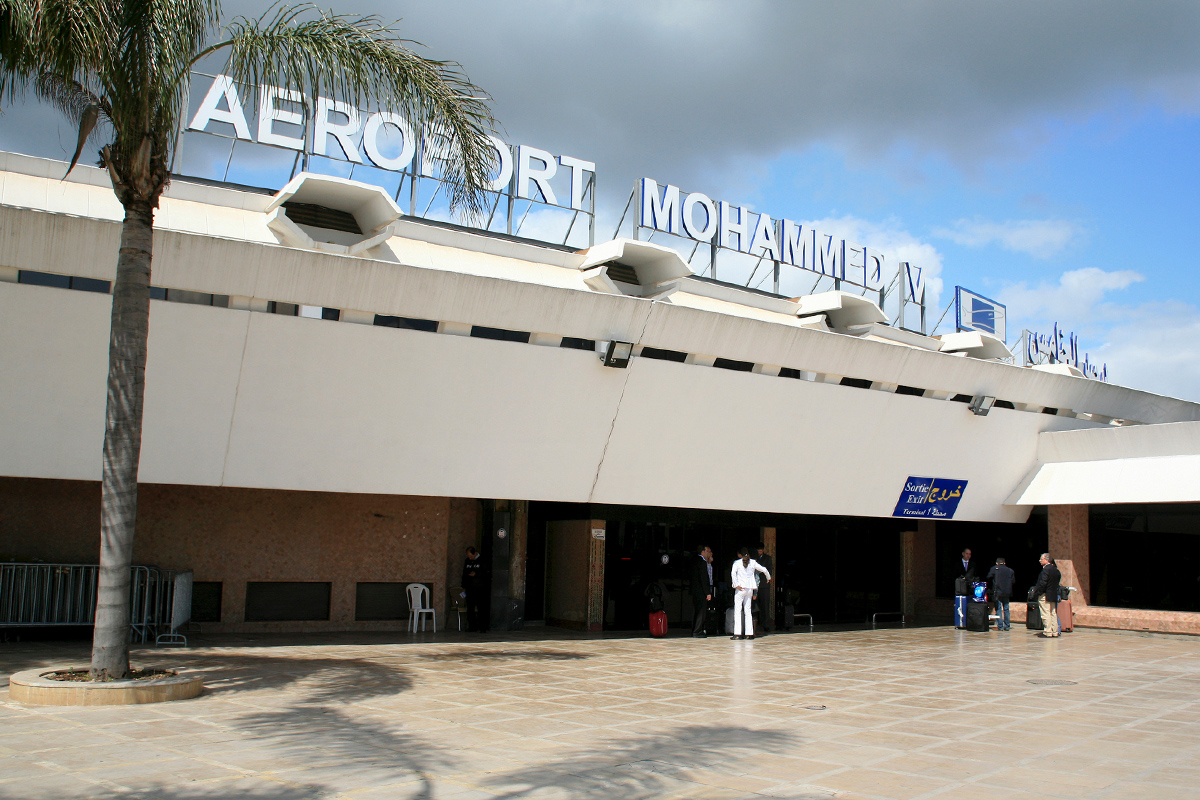
The Link to the West
-
Annual Traffic: Approx. 10.5 Million Passengers
Casablanca is the critical bridge between Africa, Europe, and North America. It is the home base for Royal Air Maroc. While the architecture is stunning, the airport is infamous for its bottlenecks during peak hours.
The Atmosphere:
Confusing but beautiful. The terminal features gorgeous Moroccan geometric patterns and high ceilings. However, the operational energy can be stressful, with security checks often moving at a snail’s pace.
-
Traveler Tip: If you have a connection under two hours, buy “Fast Track” access. It is sold online or at kiosks and is the best investment you will make to skip the soul-crushing security queues.
5. Cape Town International Airport (CPT) – South Africa
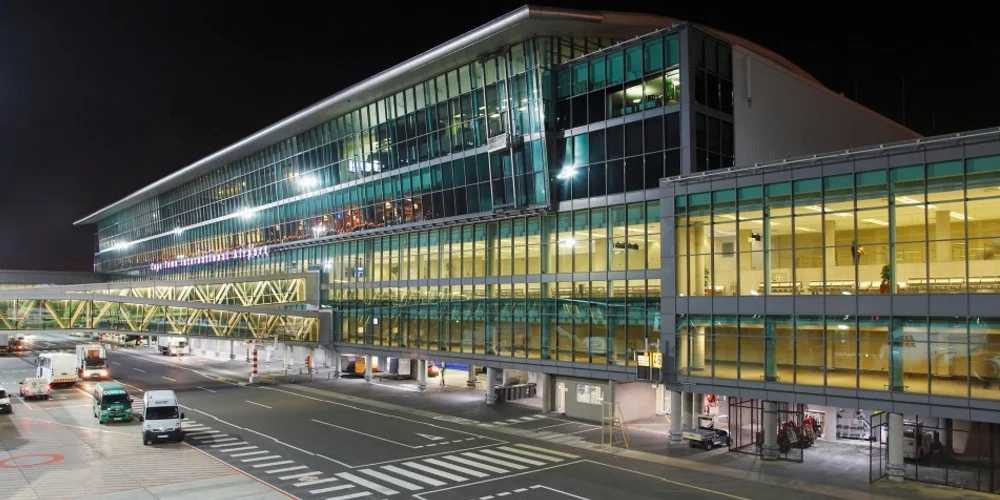
The Tourist Favorite
-
Annual Traffic: Approx. 10 Million Passengers
Consistently voted the “Best Airport in Africa” by Skytrax, Cape Town is the beauty queen of this list. It isn’t the largest by square footage, but it is incredibly efficient and serves the booming tourism industry of the Western Cape.
The Atmosphere:
Relaxed and scenic. As you land, you get a view of Table Mountain that is unrivaled. The terminal is airy, clean, and easy to navigate. It feels less like a transit hub and more like the start of a vacation.
-
Traveler Tip: Don’t eat the airplane food! Arrive hungry and visit Woolworths Food (landside) for high-quality snacks, or grab fresh seafood at Ocean Basket before you fly out.
6. Hurghada International Airport (HRG) – Egypt

The Resort Hub
-
Annual Traffic: Approx. 9-10 Million Passengers
Driven purely by sun-seeking tourists from Europe and Russia, Hurghada has quietly surged up the rankings. It is a seasonal giant that swells massively during the winter holidays.
The Atmosphere:
Holiday mode. The airport is filled with sunburned tourists carrying dive gear and golf clubs. It’s less “corporate suit” and more “linen shirt.”
-
Traveler Tip: Security here is very strict due to past incidents. Arrive 3 hours early, even for domestic flights to Cairo, as you will go through multiple bag checks before you even reach the check-in counter.
7. Marrakech Menara Airport (RAK) – Morocco

The Design Icon
-
Annual Traffic: Approx. 9 Million Passengers
Marrakech has seen explosive growth recently, with passenger numbers jumping over 30% in the last year. The terminal itself is an architectural marvel, featuring a white concrete mesh that mimics traditional Islamic designs.
The Atmosphere:
Photogenic and busy. The light filtering through the modern latticework makes it one of the most Instagrammable airports in the world, but the crowds can be dense as tourism booms.
-
Traveler Tip: Buy a local SIM card immediately upon exiting baggage claim. The stalls are right there, and having data is essential for navigating the maze of the Marrakech Medina later.
8. Murtala Muhammed International Airport (LOS) – Lagos, Nigeria
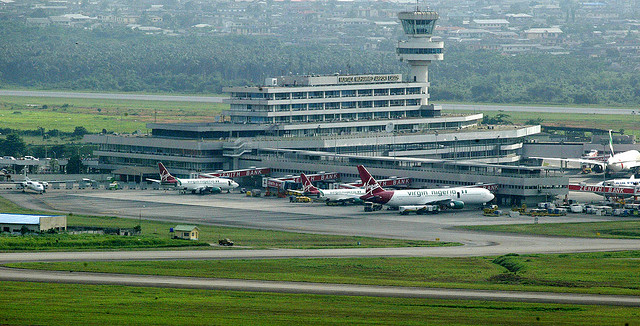
The West African Giant
-
Annual Traffic: Approx. 8 Million Passengers (Domestic + Int’l)
Lagos is the pulsating heart of Nigeria’s economy.[13] With the opening of the new international terminal (built with Chinese partnership), Lagos finally has a facility that matches its economic power, offering a stark upgrade from the older terminal.
The Atmosphere:
Intense and high-energy. The old terminal was legendary for its heat, but the new terminal is sleek, air-conditioned, and surprisingly orderly. However, the “hustle” is still present outside the doors.
-
Traveler Tip: Do not make eye contact with customs officers if you want to breeze through; looking lost is an invitation for “screening.” Also, grab a meat pie or Jollof rice at the new food court—it’s spicy and delicious.
9. Jomo Kenyatta International Airport (NBO) – Nairobi, Kenya

The Safari Gateway
-
Annual Traffic: Approx. 7-8 Million Passengers
NBO is the door to East Africa and the hub for Kenya Airways. Whether you are heading to the Maasai Mara or doing business in the “Silicon Savannah,” you will pass through here.
The Atmosphere:
High security and high anticipation. You have to exit your vehicle for a security check before you even enter the airport grounds. Inside, it feels functional and steady, filled with tourists in khaki gear.
-
Traveler Tip: Java House is a Kenyan institution. If you have a layover, find the Java House outlet for some of the best airport coffee in the world and a solid burger.
10. Houari Boumediene Airport (ALG) – Algiers, Algeria

The Sleeping Giant
-
Annual Traffic: Approx. 7 Million Passengers
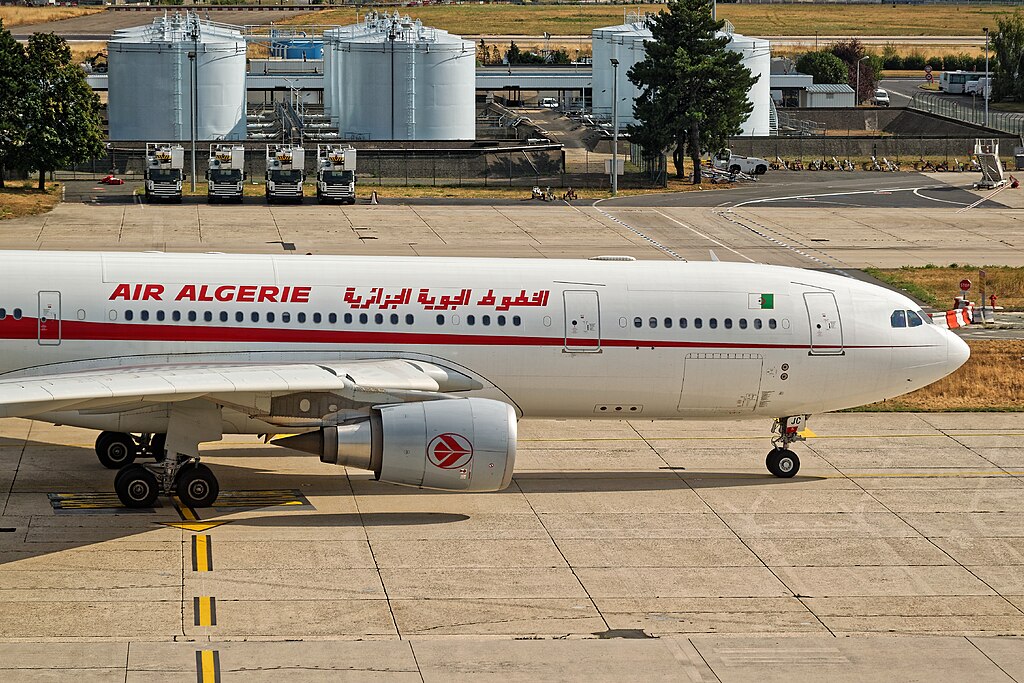
With a massive new West Terminal and aggressive expansion plans, Algiers is the one to watch. It has the capacity for much more traffic and serves as a key link between Africa, France, and China.
The Atmosphere:
Spacious and gleaming. Because the new terminal was built for future capacity, it often feels vast and echoey. It is modern, clean, and quiet compared to the chaos of Cairo or Lagos.
-
Traveler Tip: Currency exchange is strictly regulated in Algeria. Do not exchange all your money at once at the airport, but do change enough for your taxi, as foreign cards are not accepted everywhere in the city.
Final Boarding Call
Africa’s airports are evolving fast. While Cairo and Johannesburg remain the titans, hubs like Addis Ababa and Marrakech are modernizing at lightning speed. Always pack a pen (for arrival forms), keep your power bank charged, and when in doubt, just ask a local—African hospitality often shines brightest in the chaos of travel.
Have you flown through any of these giants? Let us know which airport had the best food (or the longest lines) in the comments!