
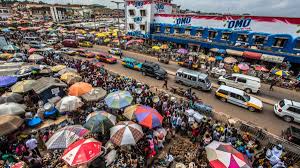
Top 10 Biggest Markets in Africa – Do You Want to Visit?
The Pulse of the Continent: Top 10 Biggest Markets in Africa You Must Experience
If you want to understand the soul of an African city, don’t go to the museums. Go to the market.
In Africa, markets are not just places to buy onions or cheap t-shirts. They are the pounding heartbeats of the continent—massive, sprawling engines of commerce where billions of dollars change hands, empires are built from scrap metal, and ancient traditions collide with modern hustle.
For travelers and business enthusiasts alike, these arenas offer an experience you can’t find anywhere else on Earth. Whether you are hunting for rare textiles, wholesale electronics, or just the thrill of the haggle, here are the Top 10 Biggest Markets in Africa that you need to see to believe.
1. Merkato – Addis Ababa, Ethiopia
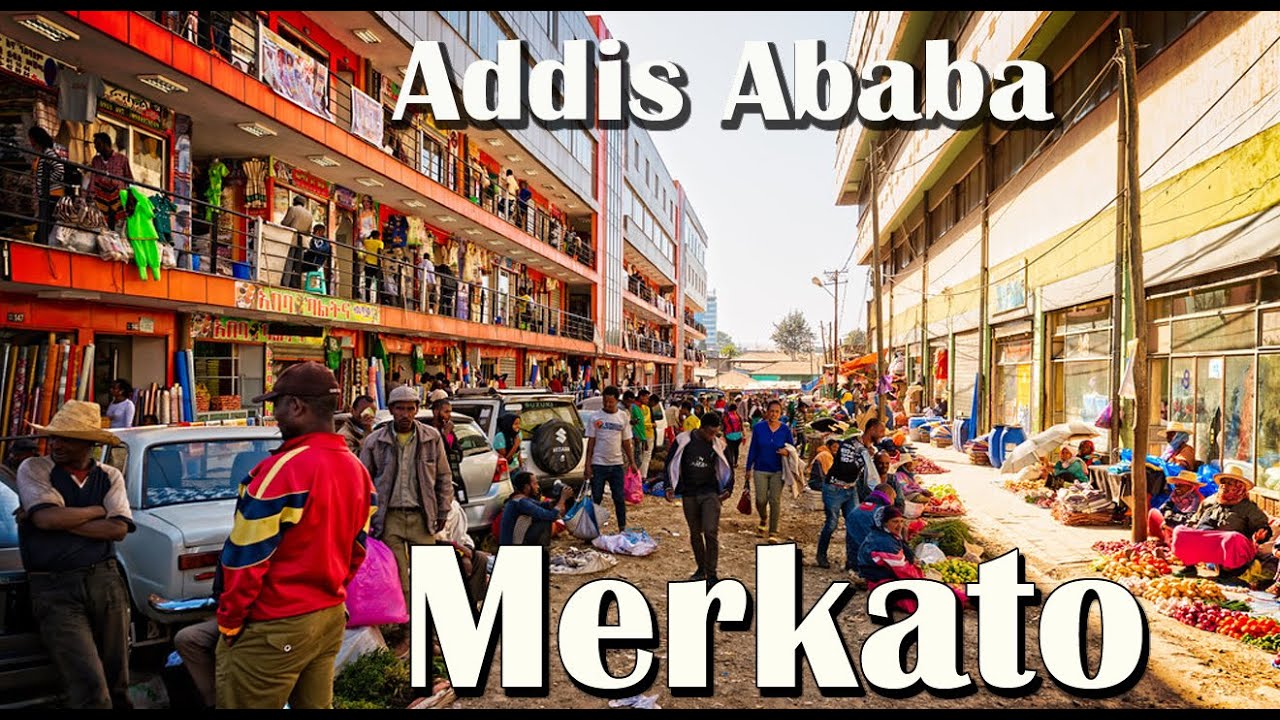
The Title: Largest Open-Air Market in Africa
Forget what you know about “shopping.” Merkato is a city within a city. Sprawling over several square miles in the Ketema district, this market is a sensory overload of pungent spices, roasting coffee, and the roar of trucks. It is widely considered the largest open-air market on the continent.
The Atmosphere:
It is gritty, loud, and unapologetically real. One minute you are walking through an alley of fragrant berbere spices, and the next you are in the “recycling zone,” watching craftsmen hammer old car tires into sandals or turn scrap metal into coffee pots in real-time.
-
What to Buy: Ethiopian coffee beans (the best in the world), traditional Shemma cotton cloth, and spices.
-
Insider Tip: Don’t try to navigate it alone. Hire a local guide (often young boys waiting at the entrance) to take you to specific “Terras” (zones). Without one, you will get lost.
2. Onitsha Main Market – Anambra, Nigeria

The Title: The Commercial Engine of West Africa
If commerce had a capital city, it would be Onitsha. Located on the banks of the River Niger, this market is the undisputed king of bulk trade in West Africa. It isn’t a tourist trap; it is a high-stakes business hub where importers from across the globe send containers of goods to be distributed throughout the continent.
The Atmosphere:
Intense. The density of goods here is suffocating in the most impressive way possible. Towering stacks of textiles, pharmaceuticals, and industrial equipment block out the sun in narrow alleyways. It is a place for serious movers and shakers.
-
What to Buy: Textiles (specifically Hollandis and English wax prints), jewelry, and wholesale general goods.
-
Insider Tip: Dress down. This is a “move or get moved” environment. If you stop to check your phone in a main aisle, you might get bumped by a wheelbarrow pusher moving heavy cargo.
3. Kejetia Market – Kumasi, Ghana
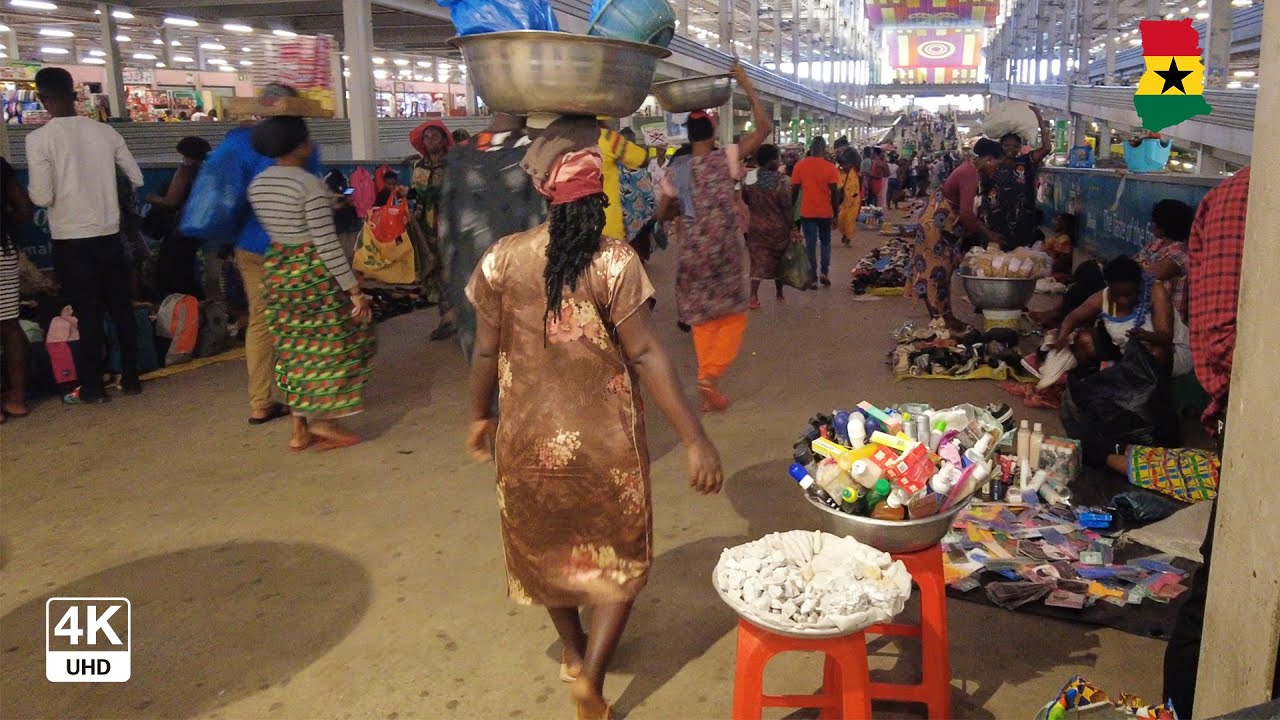
The Title: The Labyrinth of 10,000 Stalls
Locals joke that if you can’t find it in Kejetia, it doesn’t exist. Recently redeveloped, the “new” section is often called “Kejetia Dubai” for its modern roof and organized stalls, but the soul of the market remains in its endless maze of traders.
The Atmosphere:
Kejetia feels like a giant, communal living room. Despite the heat, there is a warm hospitality here. You’ll hear the rhythmic clatter of sewing machines as tailors stitch bright Kente cloth on demand, and the air smells of shea butter and smoked fish.
-
What to Buy: Ashanti sandals (handmade leather), Kente cloth, and traditional glass beads.
-
Insider Tip: If you get overwhelmed, look up. The market is covered, which amplifies the noise but protects you from the sun. Stick to the central walkway to keep your bearings.
4. Dantokpa Market – Cotonou, Benin
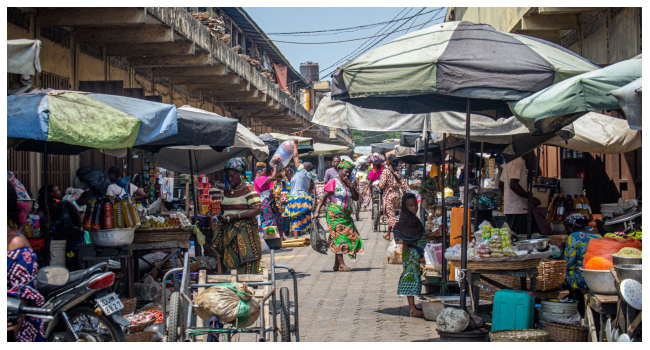
The Title: The Spiritual & Sensory Giant
Dantokpa is not for the faint of heart. Sitting on the edge of the Nokoué Lagoon, this massive market serves visitors from Nigeria, Ghana, and Niger. It is famous—or perhaps infamous—for its “Fetish Market” section.
The Atmosphere:
Mystical and raw. The air is thick with the smell of the lagoon, smoked fish, and local herbs. In the fetish section, you will see dried animal heads, monkey skulls, and talismans sold openly for Vodou rituals. It is a powerful reminder of the region’s deep spiritual roots.
-
What to Buy: Dutch wax prints (Ankara), smoked river fish, and Vodou curiosities (if you are brave).
-
Insider Tip: Do not take photos in the fetish section without asking and paying a small tip. It is considered highly offensive to snap pictures of religious artifacts without permission.
5. Alaba International Market – Lagos, Nigeria

The Title: The Silicon Valley of Repairs
Alaba is the largest electronics market in Africa. Period. It controls the distribution of home appliances and electronics for a huge chunk of the continent. But it’s not just a shop; it’s a factory. If a device is broken, Alaba can fix it.
The Atmosphere:
Electric. The noise here is a mix of booming sound system tests and the whir of generators. It is also the headquarters of the “Nollywood” film distribution network. The energy here is fast, technical, and incredibly savvy.
-
What to Buy: Home appliances, musical instruments, and electronics.
-
Insider Tip: “Tested Okay” is the mantra here. Never leave a shop without unboxing and plugging in your device to ensure it works perfectly.
6. Karatina Market – Nyeri, Kenya
The Title: The Fresh Produce King
While other markets on this list are chaotic urban jungles, Karatina is a sea of green. Located on the slopes of Mount Kenya, it is the largest open-air market in East Africa dedicated principally to fresh fruit and vegetables.
The Atmosphere:
Fresh and vibrant. The air is cooler here, smelling of damp earth and ripe bananas. Thousands of women traders arrive before dawn to pile mountains of potatoes, cabbages, and avocados high on their stalls. It is a photographer’s dream of color.
-
What to Buy: Fresh macadamia nuts, Kikois (colorful fabric wraps), and avocados the size of your head.
-
Insider Tip: Visit on a Tuesday or Friday. These are the official “market days” when traders from the deep interior travel down, swelling the market to its massive full size.
7. Ariaria International Market – Aba, Nigeria

The Title: The “China of Africa”
Ariaria isn’t just where things are sold; it’s where things are made. This market is a manufacturing powerhouse, housing tens of thousands of shoemakers, tailors, and bag makers. If you see a “Made in Italy” shoe in a West African boutique, there’s a good chance it was actually “Made in Aba.”
The Atmosphere:
Industrious and dusty. The sound of hammering and stitching is constant. The ground is often covered in leather scraps. It represents the sheer ingenuity of African craftsmanship.
-
What to Buy: Leather shoes, belts, and bags. You can get custom-made luxury replicas here for a fraction of the global price.
-
Insider Tip: Go for the “Made in Aba” products proudly. If you bring a picture of a designer shoe, a cobbler here can often replicate it for you in under 24 hours.
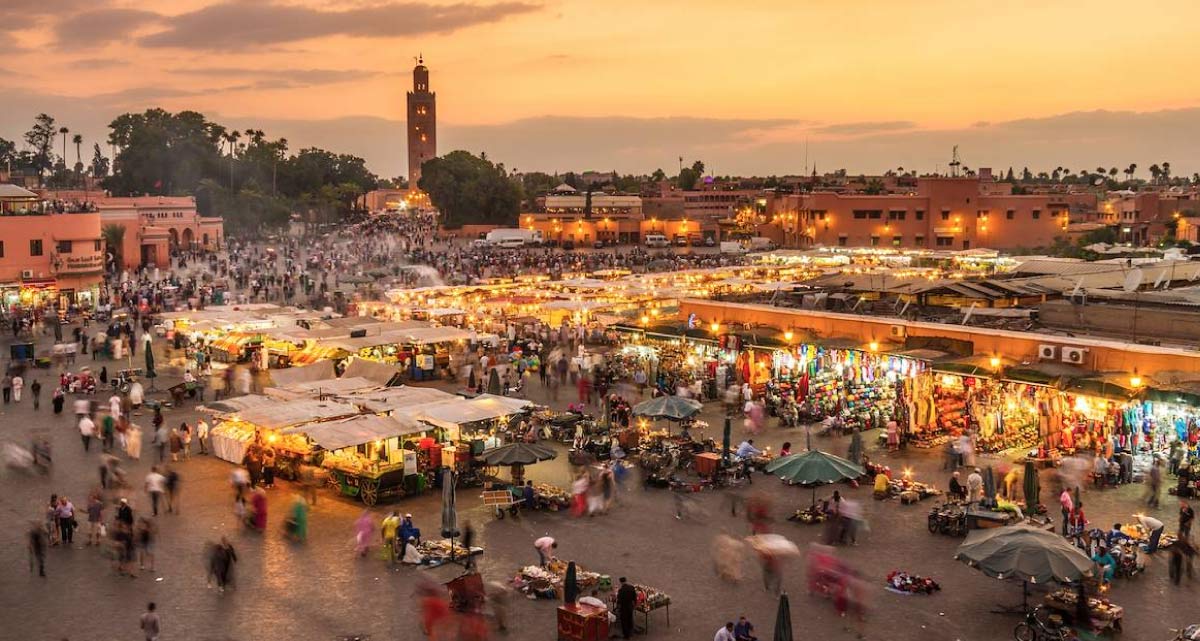
8. Jemaa el-Fnaa – Marrakesh, Morocco
The Title: The Cultural Spectacle
By day, Jemaa el-Fnaa is a wide square filled with orange juice stalls and snake charmers. By night, it transforms into the world’s greatest open-air dining hall. It is a UNESCO Masterpiece of the Oral and Intangible Heritage of Humanity.
The Atmosphere:
Magical, ancient, and theatrical. Smoke rises from hundreds of grills as storytellers and Gnawa musicians perform for crowds. It feels like stepping back into the medieval era, with a dash of modern tourist hustle.
-
What to Buy: Argan oil, leather poufs, and brass lamps from the connecting souks.
-
Insider Tip: For dinner, avoid the stalls with aggressive “touts” waving laminated menus. Look for the stalls packed with locals—that’s where the real flavor is.
9. Khan el-Khalili – Cairo, Egypt

The Title: The Historic Souk
Established in the 14th century, Khan el-Khalili is history come to life. It is one of the oldest bazaars in the Middle East and Africa. While it is very tourist-centric today, its stone alleyways and Mamluk-era architecture are undeniable.
The Atmosphere:
Cinematic. The scent of perfume oils and shisha smoke hangs in the air. The “Game of Mirrors” at the famous El Fishawy cafe offers a spot to watch the world go by.
-
What to Buy: Alabaster statues, papyrus art, silver jewelry, and spices (saffron and hibiscus).
-
Insider Tip: Haggling here is a sport. Never accept the first price. Start at 40% of the asking price, smile, and enjoy the theatrical back-and-forth negotiation.
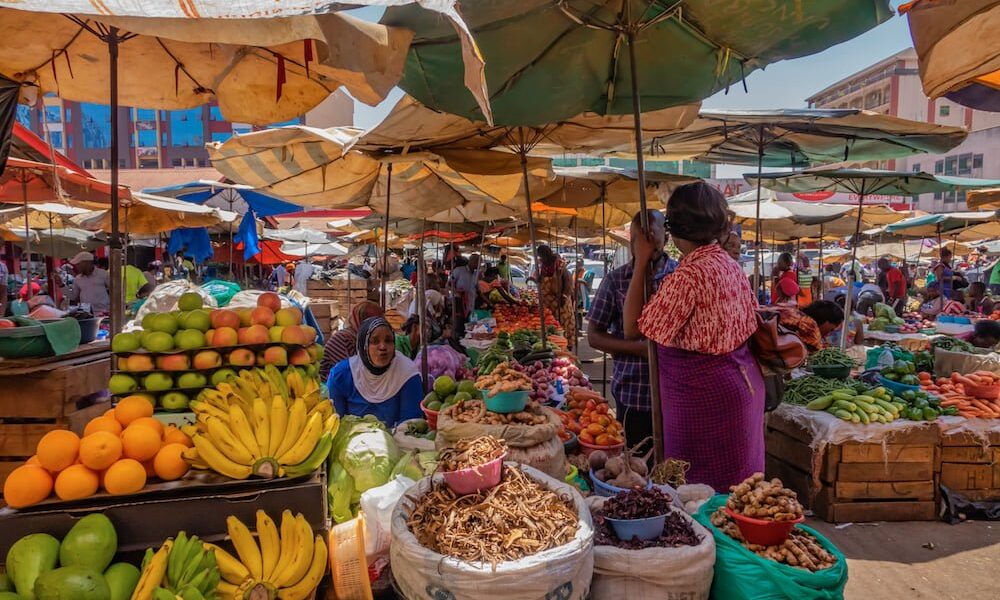
10. Owino Market – Kampala, Uganda
The Title: The Second-Hand Hustle
Locally known as St. Balikuddembe Market, Owino is the chaotic wonderland of second-hand clothing (known as mitumba). It is a maze of wooden stalls and tarpaulins where fashion from Europe and America finds a second life.
The Atmosphere:
Scrappy and energetic. “Boda boda” (motorcycle) drivers weave dangerously close to pedestrians, and music blasts from every corner. It requires patience, but the treasures you can find are worth it.
-
What to Buy: Vintage denim, designer jackets, and unique retro clothing for pennies.
-
Insider Tip: Watch your pockets. The crowds are tight, making it a haven for pickpockets. Leave your valuables at the hotel, dress simply, and carry cash in small denominations.
Final Thoughts: Which Market Will You Visit?
These markets are more than just shopping destinations; they are the engines that keep Africa moving. They teach you patience, negotiation, and the art of human connection. Whether you are navigating the mud in Owino or sipping tea in Khan el-Khalili, you are participating in a centuries-old tradition of African trade.
Have you visited any of these markets? Share your craziest bargaining story in the comments below!

[…] Africa is a continent on the move. If you are flying into Lagos, transiting through Addis Ababa, or touching down for a safari in Nairobi, the airport is your first handshake with the region. […]